Blog Post
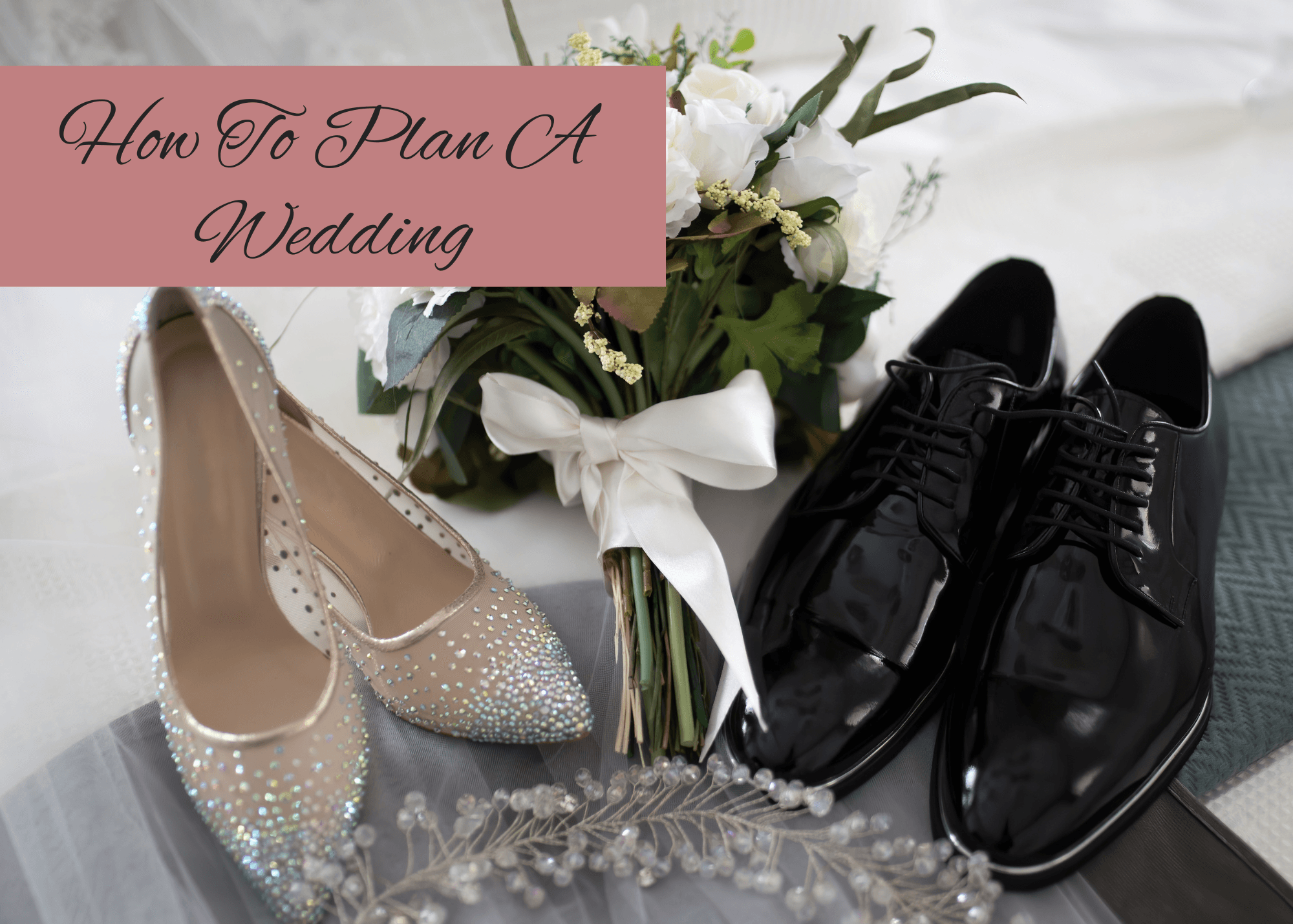
How to Plan a Wedding: A Step-by-step guide in Wedding Planning
Planning a wedding can feel like a monumental task, but it’s also one of life’s most exciting and fulfilling experiences. From choosing the perfect venue to selecting the right flowers, every decision contributes to creating a day that reflects your love story.
Planning a wedding is a beautiful journey, but it can feel overwhelming without the right guidance. This comprehensive guide breaks down the process into manageable steps, ensuring your special day is as magical as you’ve envisioned.
Here’s a guide to help you navigate the wedding planning process joyfully and effortlessly.
1. Setting the Stage: Defining Your Vision
Before diving into the details, take a moment to envision your dream wedding. What atmosphere do you want to create? Are you leaning towards a grand celebration or an intimate gathering? Consider your personalities as a couple and what feels authentic to you both.
Create a Mood Board
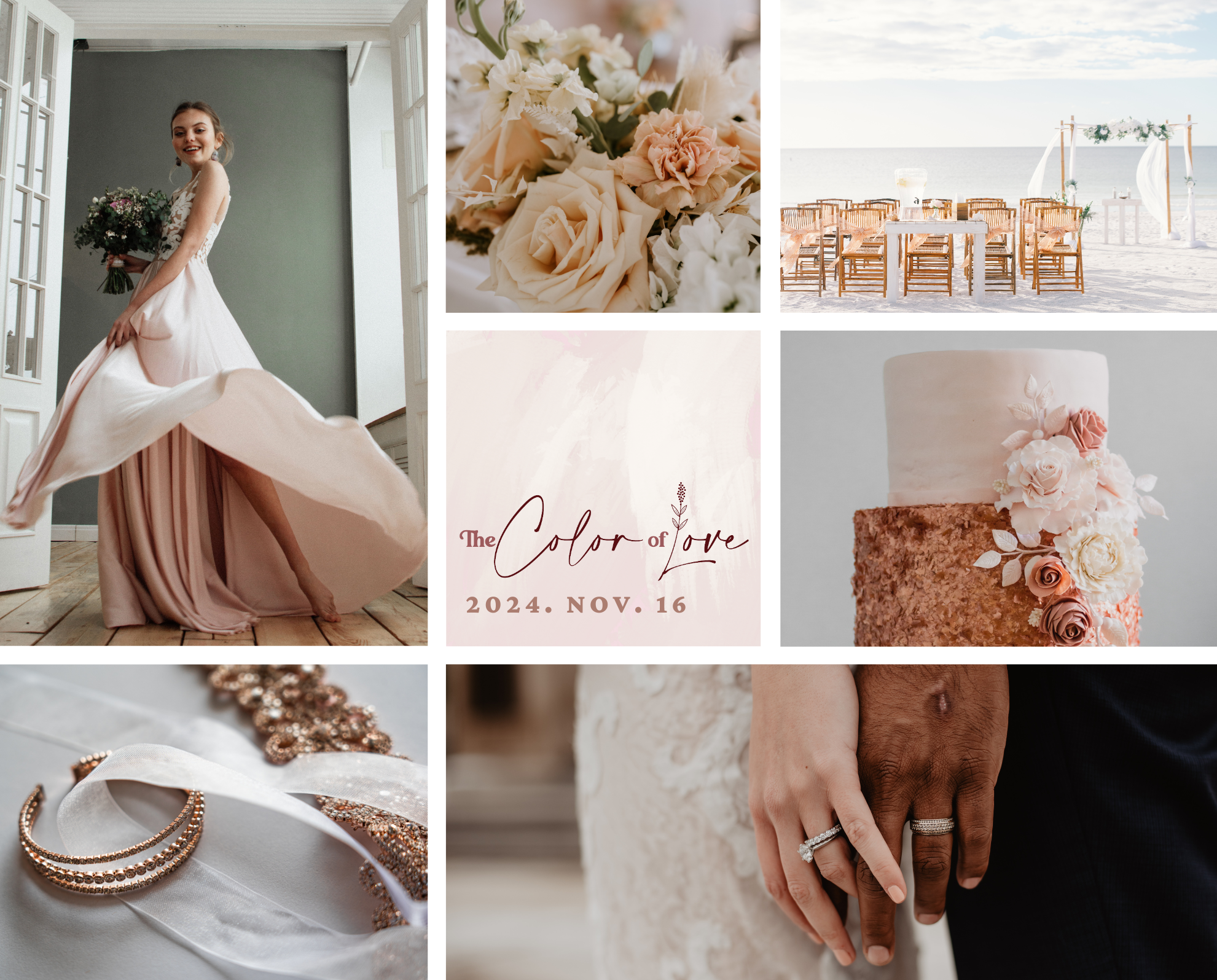
A mood board is a visual tool that compiles various elements—such as images, colors, textures, and text—to convey a specific feeling or concept for a creative project. This collage is an inspirational reference that helps define the aesthetic direction of projects in design, art, and branding.
Gather inspiration from various sources—Pinterest, wedding magazines, or even Instagram. A mood board can help visualize your ideas and provide a cohesive theme for your wedding. Include colors, styles, and elements that resonate with you.
2. Budgeting: The Backbone of Your Planning
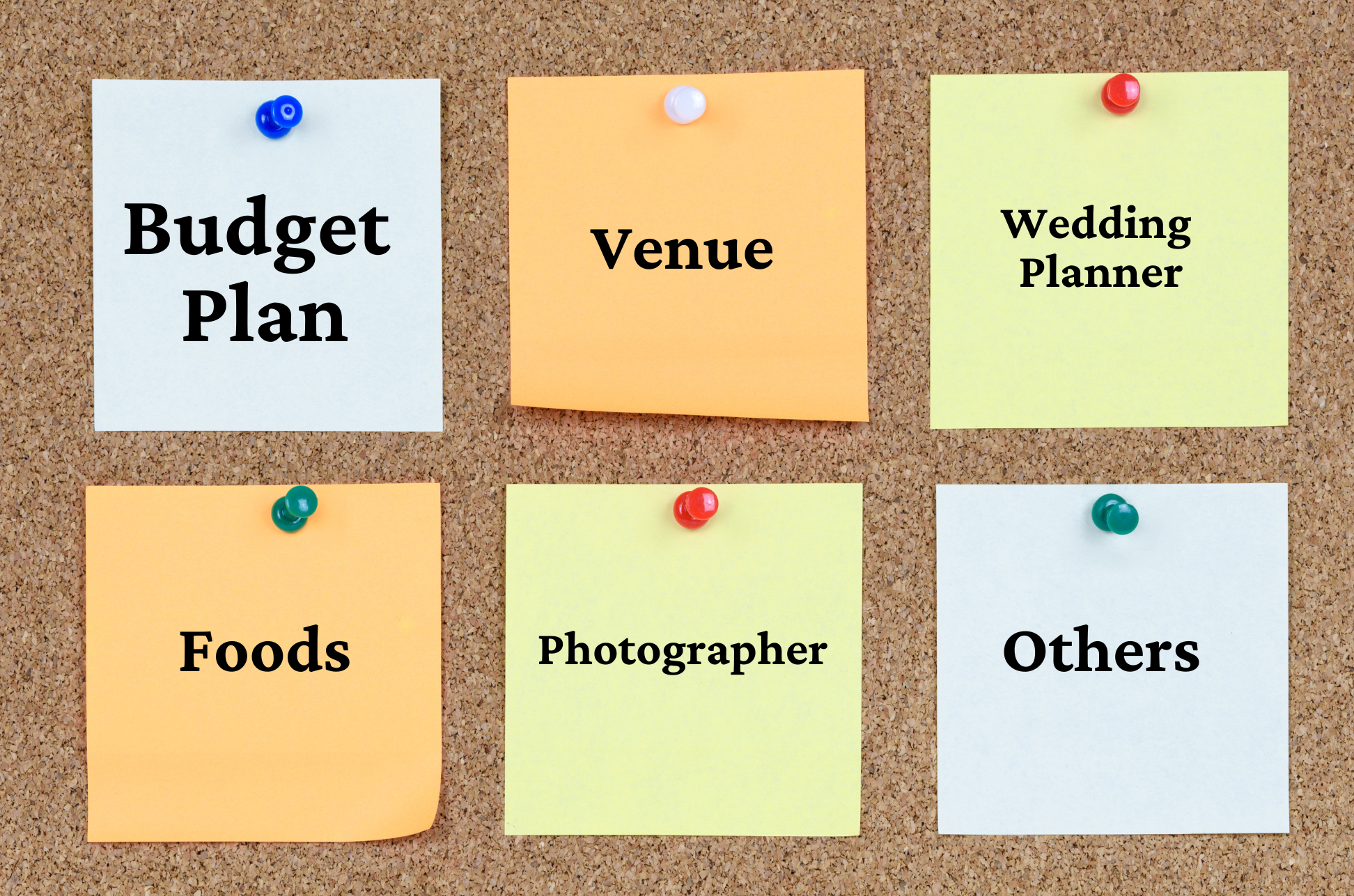
Setting a budget is crucial. Discuss with your partner how much you can realistically spend and prioritize where you want to allocate funds. Remember to account for all aspects of the wedding, including venue, catering, attire, decorations, and entertainment. While sticking to your budget is essential, be prepared for unexpected expenses. Having a small buffer can alleviate stress as you get closer to the big day.
3. Building Your Team: Vendors and Support
Your vendors will play a significant role in bringing your vision to life. Research local options for photographers, caterers, florists, and planners. Read reviews, ask for recommendations, and don’t hesitate to interview potential vendors to ensure they align with your vision.
Consider Hiring a Wedding Planner
If the thought of planning overwhelms you, consider hiring a wedding planner. They can help coordinate details, manage timelines, and alleviate stress so you can focus on enjoying the process.
4. The Venue: Finding Your Perfect Space
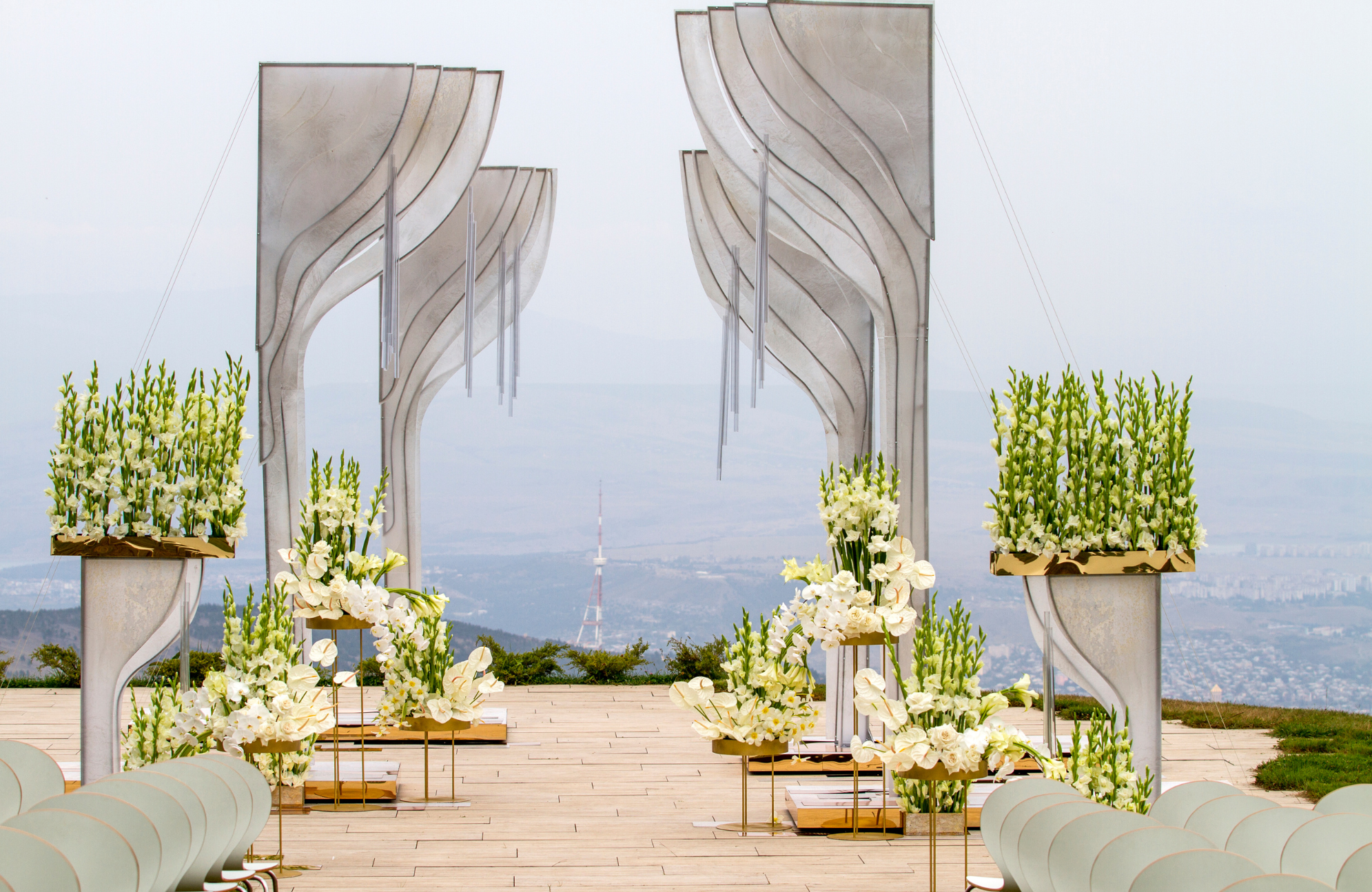
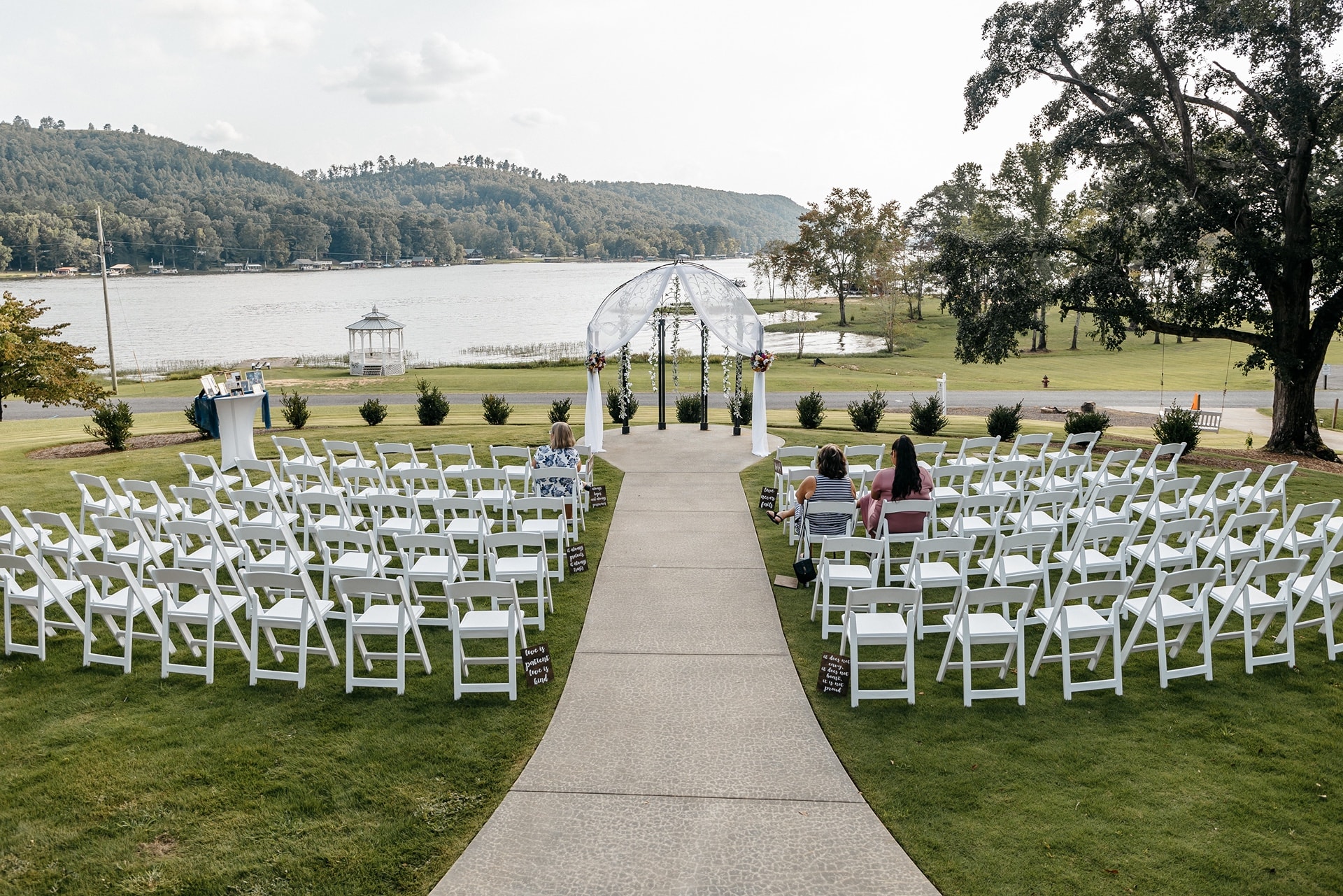
The venue sets the tone for your wedding. Choose a location that resonates with both of you, whether it’s a rustic barn, an elegant ballroom, or scenic outdoor venues. Visit multiple venues to get a feel for each space and how it aligns with your vision.
Guest Capacity
Ensure your chosen venue can comfortably accommodate your guest list. A cramped space can dampen the experience for both you and your guests.
5. Personal Touches: Making It Yours
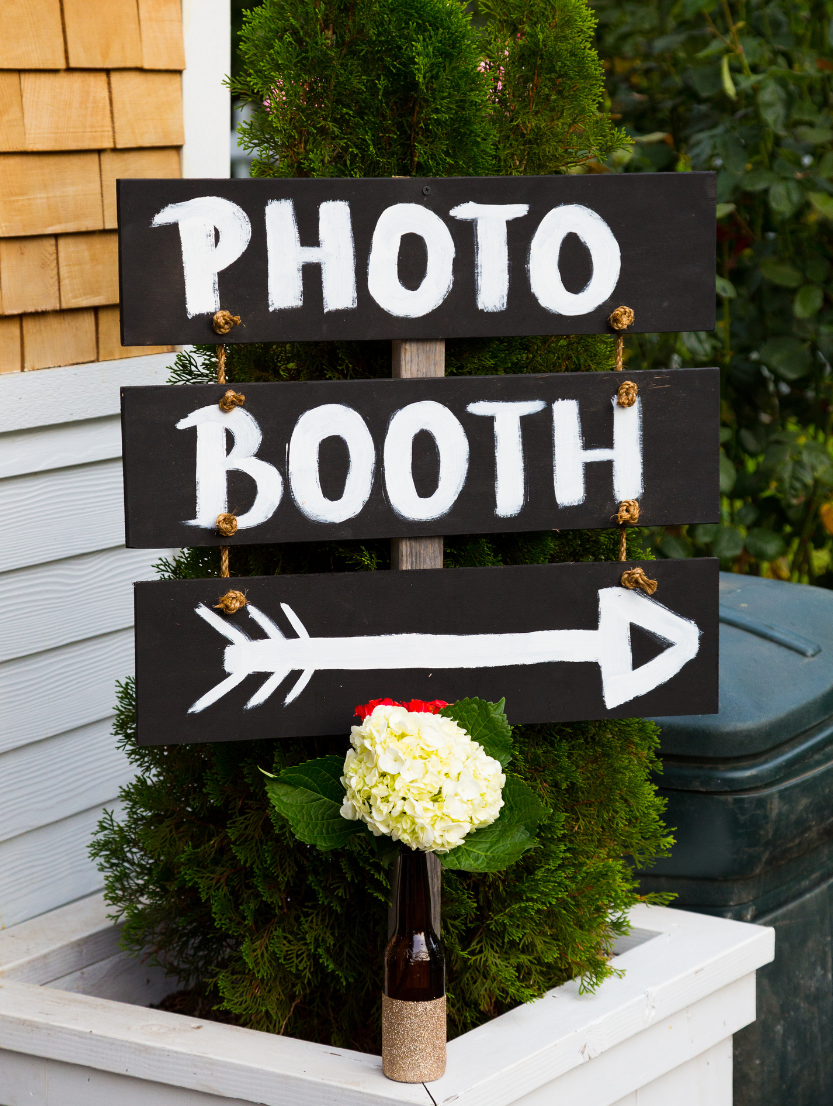
Infuse personal touches into your wedding that reflect your journey as a couple. This could be anything from custom vows to family heirlooms or unique entertainment options that showcase your interests.
Create Memorable Experiences
Think about how you want guests to feel during your celebration. Consider interactive elements like photo booths or personalized favors that will leave lasting impressions.
6. The Final Countdown: Preparing for the Big Day
As the date approaches, create a timeline for the wedding day. Outline when vendors will arrive, when hair and makeup should begin, and when the ceremony starts. Share this timeline with your bridal party and vendors to ensure everyone is on the same page.
Don’t Forget Self-Care
Amidst all the planning chaos, prioritize self-care leading up to your wedding day. Schedule time for relaxation—whether it’s spa days or quiet evenings together—so you can approach the day feeling refreshed and excited.
7. Enjoying Your Day: Embrace Every Moment
On your wedding day, take time to soak in every moment. It’s easy to get caught up in logistics, but remember why you’re there—to celebrate love! Surround yourself with supportive friends and family who uplift you.
Capture the Memories

Hire a skilled photographer in Georgia who understands your vision. They’ll help document those fleeting moments so you can relive them for years to come.
Conclusion: A Celebration of Love
Wedding planning is more than just organizing an event; it’s about celebrating love and commitment in front of those who matter most. Embrace the journey with an open heart and remember that at its core, this day is about you and your partner starting a new chapter together. Enjoy every step along the way!
How to Plan a Wedding FAQs:
1. How long does it take to plan a wedding?
The ideal time to start planning your wedding is about 12 months in advance, allowing ample time to secure venues, book vital vendors, and make critical decisions without feeling rushed. Consider beginning 18 to 24 months ahead for larger weddings or specific dates to ensure availability, especially during peak seasons. If your wedding is less than a year away, prioritize essential tasks like booking the venue and catering first. A structured timeline includes milestones such as finalizing the guest list and sending save-the-dates 6-12 months prior, confirming vendors and sending invitations 3-6 months out, and conducting final fittings and confirmations in the month leading up to the event. Starting early and staying organized will help create a smooth planning experience and ensure your special day reflects your vision.
2. What is the average cost of a wedding?
Costs vary, but the average wedding in the U.S. ranges from $20,000 to $30,000. Adjust your budget based on location and guest count.
3. How do I choose the best venue?
Choosing the best wedding venue involves several key steps: determining your wedding style, narrowing down suitable options, and establishing a budget to guide your choices. Consider the venue’s location and accessibility for guests, ensuring it can comfortably accommodate your expected guest list.
Evaluate the amenities and services offered, such as catering and parking, while also reading reviews and gathering recommendations from others. Schedule tours of multiple venues to get a firsthand feel for each space and create a comparison chart to weigh the pros and cons of each option.
4. Is it necessary to hire a wedding planner?
Hiring a wedding planner is not strictly necessary, but it offers numerous benefits that can significantly enhance your wedding planning experience. A professional planner brings expertise and industry knowledge, helping you navigate the complexities of vendor selection, budget management, and logistics, which can alleviate stress and save you time.
Additionally, planners handle day-of coordination, allowing you to focus on enjoying your special day without worrying about the details. Ultimately, while you can plan a wedding on your own, enlisting a planner can make the process smoother and more enjoyable, especially for couples with busy schedules or those planning destination weddings
5. What should I include in a wedding day timeline?
Detail key events such as the ceremony, reception, and speeches. Allocate time for travel, photos, and unexpected delays.
6. How can I personalize my wedding?
Personalizing your wedding can uniquely reflect your relationship and enhance the experience for you and your guests. Consider incorporating custom decor that tells your love story, designing a menu with meaningful dishes or signature cocktails, and offering unique guest experiences like interactive elements or themed tables named after significant places or events.
Use bespoke stationery and personalized favors to engage guests and honor family traditions by including cultural rituals or elements in your ceremony. By thoughtfully integrating these personal touches, you can craft a memorable celebration that resonates with you and your loved ones.